Designing with Character: The Kitchen Red Bowl Illustrations Vector
When you are building a brand or curating content, the assets you choose speak volumes before you even write a word. While typography often takes center stage, the visual texture of your design relies heavily on complementary elements. Today, we are looking at a specific set of design assets that bridges the gap between functional imagery and artistic flair: the Kitchen Red Bowl Illustrations Vector. This isn't just a generic clipart; it is a focused, high-quality vector set designed to bring warmth and a handmade aesthetic to your projects.
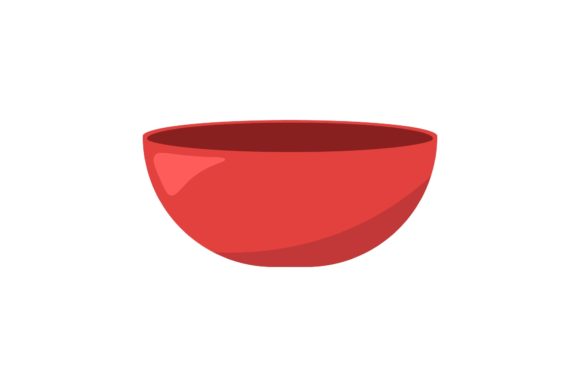
The core appeal of this collection lies in its specific visual personality. We are talking about a distinct "hand-drawn" style that feels organic and authentic. The illustrations feature a red bowl, likely with a spoon or accompanying ingredients, rendered with the imperfect lines and textured strokes that are so popular in modern typography and illustration trends. This style moves away from the cold, rigid geometry of standard corporate graphics. Instead, it offers a sense of approachability and comfort. For a designer, this is a crucial distinction. Using the Kitchen Red Bowl Illustrations Vector immediately signals to your audience that the content is related to food, home, comfort, or lifestyle. It possesses a personality that is cozy, rustic, and inviting, making it an ideal choice for projects that need a human touch.
Where This Style Fits Best: Practical Applications
Understanding where an asset like this thrives is half the battle in design strategy. Because the Kitchen Red Bowl Illustrations Vector is delivered in multiple formats—including AI, EPS, SVG, DXF, JPG, and PNG—it offers immense flexibility for both digital and physical applications.
For branding and logo design, this vector is perfect for niche businesses. Imagine a local bakery, a meal-prep service, a food blog, or a cooking school. Using this illustration as a primary or secondary logo mark instantly communicates the nature of the business without needing explanatory text. It works beautifully as a stamp for packaging design, such as sticker seals for pastry boxes or stamps for paper bags.
In the realm of digital design and web design, these assets are goldmines. Content creators and bloggers can use the PNG version with its transparent background to break up long blocks of text. It serves as a visual anchor in editorial design, keeping the reader engaged. For social media graphics, the illustration can be used as a background element or a focal point for announcements like "New Recipe" or "Kitchen Sale." The vector formats (AI, EPS, SVG) ensure that you can scale the image to any size—from a tiny favicon to a massive website banner—without losing a pixel of quality.
Furthermore, for those in the crafting and hobbyist space, the inclusion of DXF and SVG files is a massive advantage. These formats are specifically optimized for cutting machines like Cricut or Silhouette. You can turn the Kitchen Red Bowl Illustrations Vector into vinyl decals for kitchen jars, iron-on transfers for aprons, or intricate paper cutouts for scrapbooking. The versatility of these file types makes it a true multi-purpose asset.
Integrating Illustrations with Typography and Brand Identity
A great design is rarely about a single element; it is about the relationship between elements. When you introduce the Kitchen Red Bowl Illustrations Vector into your layout, you need to consider how it interacts with your typography choices. Because this illustration style is likely organic and hand-drawn, it pairs exceptionally well with specific types of fonts.
If you are using a script font or a handwritten font for your headers, the illustration will echo that casual, personal vibe, creating a cohesive brand identity. However, if your brand leans towards a more modern, clean aesthetic, pairing the illustration with a sans serif font creates a striking contrast. The clean geometry of the text highlights the organic nature of the drawing. Conversely, using a serif font can lend a touch of tradition and elegance to the rustic illustration, perfect for a high-end culinary magazine or a boutique restaurant menu.
The red color of the bowl is also a strategic consideration. In color psychology, red stimulates appetite and draws attention. It is a high-energy color. When placing this vector into your design, ensure it doesn't clash with your brand’s primary color palette. Often, letting the red bowl be the singular pop of color against a monochromatic background (black, white, or kraft paper brown) is the most effective strategy. This ensures the Kitchen Red Bowl Illustrations Vector acts as a focal point rather than visual clutter.
Evaluating Your Project Fit and Usability
Before incorporating any new asset, it is wise to perform a quick evaluation. First, consider the readability and visual hierarchy. Does the illustration overpower your headline? In good design, imagery supports the text; it shouldn't compete with it. If you are using the bowl as a background element, try lowering its opacity so your premium font stands out clearly on top.
Second, look at the consistency of your other assets. If your existing brand materials use very flat, geometric icons, introducing a textured, hand-drawn bowl might feel disjointed. However, if you are rebranding or launching a new campaign specifically to feel more "homemade" and "authentic," this is exactly the shift you need.
Finally, acknowledge the value of the package you receive. Getting six different file types (AI, EPS, SVG, DXF, JPG, PNG) is a hallmark of a professional-grade design asset. It means the creator has anticipated your needs across different software and hardware. Whether you are a professional graphic designer working in Adobe Illustrator or a small business owner using Canva, there is a file format here that works for you.
The Kitchen Red Bowl Illustrations Vector is more than just a picture of a bowl; it is a versatile tool for storytelling. It allows you to inject personality, warmth, and professional polish into your work, whether you are designing a wedding menu, a food blog header, or a product label. By pairing it thoughtfully with your typography and layout strategy, you can create designs that feel both visually appealing and deeply connected to your audience.